
Trending
This story is from June 3, 2017
Iftar gets heavy on the pocket this year
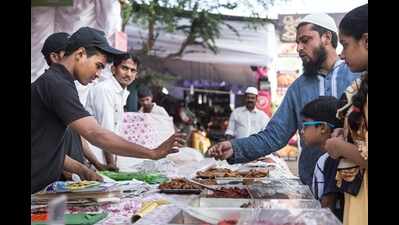
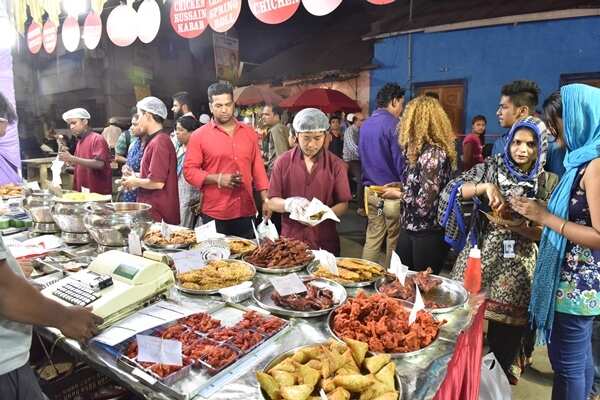
But this year, as we went iftar hopping in the various hotspots of the city, we noticed that amid the bustle at stalls, there were several enquiries about prices having gone up.“This happens every year.

At Sahil Restaurant, where buffalo kadi gosh sells at `60 a plate, owner Abdul Gaffur says that irrespective of prices, the demand keeps increasing every year. Bufallo is their best-selling item, and they average at least 30 kilos a day. “Supply prices have gone up so we are forced to follow suit,” he says, confident that irrespective of what prices are, sales will not dip. But Raheela, who buys malpua, cutlets and samosas for her family from Sahil regularly, is not thrilled by the price hike. “I buy for a family of three adults and four children. This year it's costing me close to `450 a day, so I've already started switching to fruits and juices on alternate days. If there's another hike, we'll just have to start making iftar at home every day.”
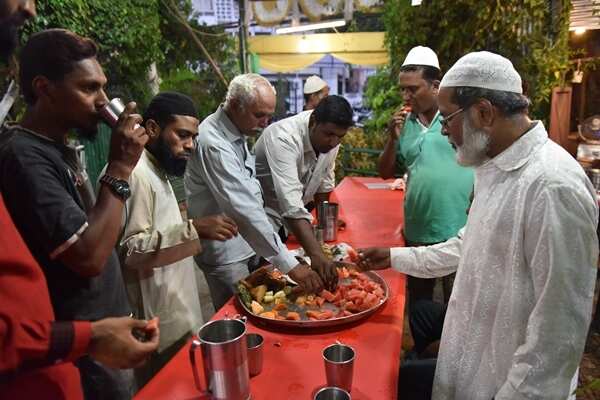
Our next stop was one of camp's most popular iftar gatherings, Imdadi. Organised like a food festival of sorts, complete with seating and servers, this has been operated by the Imdadi Social Welfare Organisation for the past 32 years. Here prices have gone up by just five per cent this year. But Mustafa Shaikh, one of the co-owners, warns that there could be a further increase across the city, courtesy the centre's ban on sale of cattle for slaughter. This might reduce the supply of buffalo meat which is a best seller during iftar thereby making mutton and chicken dearer. “The real effects of this move will be known only in another week. If supply of buffalo reduces, the prices of all the meats will go up,” says Mustafa, assuring us that however, come what may, Imdadi will not revise their prices again this year. “Most of our customers have been coming here regularly for years. They buy from us every day. Increasing prices again will not be fair to them,” he shares.
End of Article
FOLLOW US ON SOCIAL MEDIA










Photostories

Hot Picks
TOP TRENDING
Popular Categories
Hot on the Web
Top Trends
Israel Hezbollah WarJatin ParanjapeWomens T20 World CupBaba Siddique NewsIND vs AUS MatchRussell WilsonsBahraich ViolenceBabar AzamGen AI Shift ImpactsLawrence BishnoiAmazon LayoffsPM Internship SchemeSSC GD Constable ExamJunior Doctor Hunger StrikeTamil Nadu Board Exam Time TableN ChandrasekaranLive Cricket Score
Trending Topics
Diwali WishesNara RohithBaba SiddiqueShraddha KapoorVettaiyan CollectionVettaiyan ReviewNatasa StankovicDevara CollectionBigg Boss 18Deepika PadukoneShraddha KapoorRatan Tata Passed AwayJigra Movie ReviewVettaiyan Movie ReviewSwatantrya Veer SavarkarDussehra 2024Star Health Hacker DemandedViral MemesUltimate Football Codes October 2024Wordle Answer
Living and entertainment
Latest News
UPSC Releases EPFO 2024 Interview Schedule: Dates from November 4 to December 6PCB defends decision to drop Babar Azam, Shaheen Afridi, Naseem ShahMini setback for Season 1 of women's Hockey India League, four teams instead of sixFormer Maharashtra CM Uddhav Thackeray admitted to HN Reliance HospitalInfosys to no longer send job offer letters and attachments, the company will ...China September soybean imports surge to near record 11.37 million tons30 detained, internet shutdown after massive violence erupts in UP's BahraichKrushna Abhishek shares a heartwarming post for mama Govinda; says 'jab body mein adha blood supremely talented actor Govinda ka ho...'Papankusha Ekadashi 2024: Date, Parana Time, Puja Rituals and SignificanceNorth Korea preparing to demolish inter-Korean roads, claims South KoreaAI’S OppenheimerRajveer Singh’s inspiring transformation on completing a decade in the TV Industry, says 'My passion for becoming an actor fueled my determination'RG Kar issue: Junior doctors' hunger strike enters 10th day, another protesting medic hospitalisedPolice arrest 35 Pakistan Tehreek-e-Insaf activists ahead of protestFormer Pakistan PM Imran Khan's sisters shifted to Jhelum jail on judicial remand'I truly believe ... ': What police said after third assassination attempt on Donald TrumpWorld Bank says 26 poorest nations in worst financial shape since 2006Dhanush's UNSEEN video from the 'Vettaiyan' FDFS grabs major eyeballs
Copyright © 2024 Bennett, Coleman & Co. Ltd. All rights reserved. For reprint rights: Times Syndication Service